About the service
Awarded by Times Group as India’s fastest growing interior company, BVM Intsol is a one-stop destination for interior design, architecture, and furniture design. We have delivered more than 2000 projects across India and continue to create beautiful spaces. BVM is powered by an experienced team of design professionals. Our firm enjoys a legacy of providing emphatic services in architectural design consultancy and fully customizable interiors. Our team of experts has always proven to be highly efficient in hassle-free design execution within a short span of time, with utmost care for your choices and impeccable implementation.
- Legacy of over 17 years in Interior Segment serving Residential, Commercial and Hospitality segments.
- Delivered over 2000 projects across India.
- More than 2500+ extremely satisfied clients across India.
- Over 92 office spaces of roughly 1.5 million sqft designed and delivered.
- On Panel Designer Partners across globe and India.
- Worked over 2 million sqft Interior and 1000 million architectural sqft space.
- Based out of Pune and delivering services into multiple cities of India.
- Strong team of Architects, Interior designers & Decorators, Product Designers, Civil Engineers, 3-D artists and on-field site supervisors.
- Best in Class Partners.
BVM -10 Fold Key differentiator
1. Tailored Design Solutions
Understanding Client Needs: At BVM, we take the time to understand the unique culture, values, and requirements of each client. We design spaces that reflect the organization’s identity and align with its business objectives, fostering a positive work environment.
Customized Workspaces: We create flexible, functional, and personalized spaces that adapt to the specific workflows, team dynamics, and goals of the organization, from open offices to private workspaces.
2. Innovative Space Planning
Smart Use of Space: Our space planning focuses on optimizing every square foot. We incorporate multipurpose zones, flexible workstations, and modular furniture that can be easily adjusted for different team needs and future growth.
Hybrid Work Solutions: Recognizing the rise of hybrid work models, we design spaces that accommodate both in-office and remote work seamlessly, with features like collaborative zones, quiet booths, and video conferencing hubs.
3. Sustainability & Eco-conscious Design
Green Materials & Solutions: We prioritize using sustainable materials, energy-efficient solutions, and eco-friendly finishes. Whether it’s low-VOC paints, recycled materials, or energy-saving lighting, BVM ensures the office space minimizes its environmental footprint.
Wellness-Focused Spaces: Integrating biophilic design principles, we create workspaces that connect employees to nature, fostering well-being and reducing stress. We include elements such as indoor plants, natural light, and organic materials.
4. Technology Integration
Smart Offices: At BVM, we embrace the latest technology trends by integrating smart systems into the office design. This includes automated lighting, climate control, booking systems for meeting rooms, and seamless technology for remote collaboration.
Collaborative Tech Spaces: We ensure that meeting rooms, boardrooms, and open areas are equipped with the latest audiovisual technology, such as interactive whiteboards, high-quality video conferencing setups, and wireless connectivity.
5. Employee-Centric Design
Reflecting Company Values: BVM ensures that the design of office spaces aligns with the company’s culture and values. We incorporate elements of branding into the design through color schemes, materials, and artwork that resonate with the company’s ethos.
Storytelling Through Design: Beyond aesthetics, we focus on telling the company’s story through design elements, creating an office environment that reflects the business's journey and its vision for the future.
6. Cultural Alignment & Branding
Smart Offices: At BVM, we embrace the latest technology trends by integrating smart systems into the office design. This includes automated lighting, climate control, booking systems for meeting rooms, and seamless technology for remote collaboration.
Collaborative Tech Spaces: We ensure that meeting rooms, boardrooms, and open areas are equipped with the latest audiovisual technology, such as interactive whiteboards, high-quality video conferencing setups, and wireless connectivity.
7. Focus on Flexibility & Agility
Adaptable Spaces: With the evolving needs of the workplace, BVM designs spaces that are adaptable to changes in team size, project requirements, and technology. Movable partitions, modular furniture, and flexible meeting spaces make the office environment scalable.
Activity-Based Design: We design offices with activity-based workspaces that support a range of tasks—collaborative, individual, informal, or formal. Employees can choose spaces that best suit their current work, improving both productivity and job satisfaction.
8. Attention to Detail & Quality Craftsmanship
High-Quality Materials: BVM uses premium materials that ensure the longevity and durability of office spaces. From flooring to wall finishes and furniture, every detail is carefully selected to create a polished and professional environment.
Seamless Integration: We pay attention to every aspect of the design process, ensuring a seamless integration of all elements, from furniture to lighting to tech. This results in a cohesive, functional, and aesthetically pleasing office space.
9. Employee Well-being & Mental Health Focus
Wellness Areas: We design spaces with employee well-being in mind, incorporating wellness zones, quiet rooms, meditation areas, and fitness spaces to promote mental and physical health.
Natural Light & Ventilation: Our designs maximize natural light and ensure good air quality, as these are proven to enhance employee productivity, mood, and overall well-being.
10. Collaboration with Clients & Transparency
Collaborative Process: At BVM, the design process is highly collaborative. We work closely with clients throughout every stage, ensuring their vision is brought to life with transparency and open communication.
Post-Occupancy Support: Our relationship with clients doesn't end once the design is implemented. We provide post-occupancy support to ensure the space continues to meet the evolving needs of the organization and its employees.
CommercialOffice Space Process Map
Client Briefing & Requirements Gathering
Actions:
- Initial meetings with key stakeholders (HR, management, employees).
- Gather information on the number of employees, work styles, departments, and technology needs.
- Identify design preferences (e.g., aesthetic, brand alignment, flexibility, collaboration).
- Discuss budget, timeline, and sustainability goals.
- Determine IT infrastructure requirements (servers, workstations, etc.).
Space Planning & Concept Development
Actions:
- Analyze dimensions and potential layouts.
- Create conceptual floor plans (include different zones such as open areas, meeting rooms, collaborative zones, and quiet spaces).
- Incorporate ergonomic design elements.
- Plan for flexible furniture.
- Design for ease of movement and collaboration.
- Ensure zoning for different tasks (focused work, collaborative tasks, etc.).
Design Development
Actions:
- Develop detailed 3D renderings or visualizations of the space.
- Select materials.
- Choose furniture.
- Select colors, textures, & finishes that reflect the company’s branding and enhance productivity.
- Integrate branding elements into the design.
- Plan lighting (task lighting, ambient lighting, smart systems).
- Identify acoustic treatments.
Technology Integration & IT Infrastructure Design
Actions:
- Collaborate with the IT department to understand infrastructure needs (server rooms, networking, etc).
- Plan for integrated tech (AV systems for meeting rooms, video conferencing setups, wireless charging stations, smart lighting).
- Ensure ample power outlets, data ports, and cable management for all workstations.
- Design spaces with adaptable tech setups for remote work integration.
- Consider future scalability and integration of emerging technologies.
Budgeting & Procurement
Actions:
- Establish a detailed budget covering materials, furniture, lighting, technology, and construction.
- Identify suppliers for furniture, materials, and technology.
- Procure samples of materials and finalize selections for the office design.
- Order furniture, finishes, lighting, and technology equipment.
- Set timelines for delivery and installation.
Construction & Installation
Actions:
- Coordinate with contractors for any necessary construction work (walls, partitions, plumbing, electrical).
- Install furniture and tech equipment according to the layout.
- Implement flooring, wall finishes, and ceiling treatments.
- Set up and test IT infrastructure (network cables, internet connections, server rooms, etc.).
- Install lighting & adjust settings for optimal workspace ambiance.
- Conduct quality checks to ensure materials & installations meet the desired standards.
Quality Control & Final Adjustments
Actions:
- Walkthrough with the client and stakeholders to verify the completed design.
- Check functionality of all tech elements (AV systems, conference calls, smart lighting).
- Ensure all furniture and fixtures are correctly placed and comfortable.
- Make adjustments as necessary (e.g., furniture positioning, lighting levels).
- Conduct a final inspection for aesthetics, ergonomics, and technology integration.
Employee & Stakeholder Feedback
Actions:
- Organize feedback sessions with employees to assess their satisfaction with the layout, furniture, and technology.
- Gather input on workflow, comfort, and usability.
- Address any issues or suggestions for improvements.
- Document feedback for future projects and improvements.
Post-Occupancy Support & Maintenance
Actions:
- Offer post-occupancy maintenance and troubleshooting for any technology or infrastructure issues.
- Provide guidance on furniture or space adjustments if needed.
- Regularly check that office systems (lighting, HVAC, and technology) are functioning optimally.
- Monitor employee feedback on ergonomics and comfort.
Handover & Final Documentation
Actions:
- Deliver all necessary documentation, such as manuals for technology, maintenance schedules, and warranty information for furniture.
- Provide the client with a full overview of the office design, including plans, system integration details, and future upgrade paths.
- Conduct a final handover meeting with the client to review the project and ensure satisfaction.
Designing Work Space
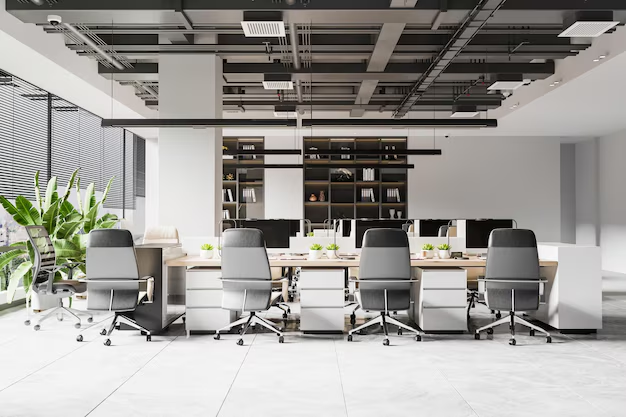
At BVM, we prioritize understanding the core objectives of each client’s workspace needs. We believe that a well-designed workspace must reflect the values and brand identity of the company. A thoughtfully designed environment fosters alignment with company philosophies, strengthens employee engagement, and supports the achievement of desired objectives.
The right workspace not only enhances productivity but also creates a seamless connection between employees and the company’s mission. Moreover, our workspace solutions adhere to the highest standards of safety and security, ensuring a secure and comfortable environment for all.
Designing Conference Rooms and Board Rooms
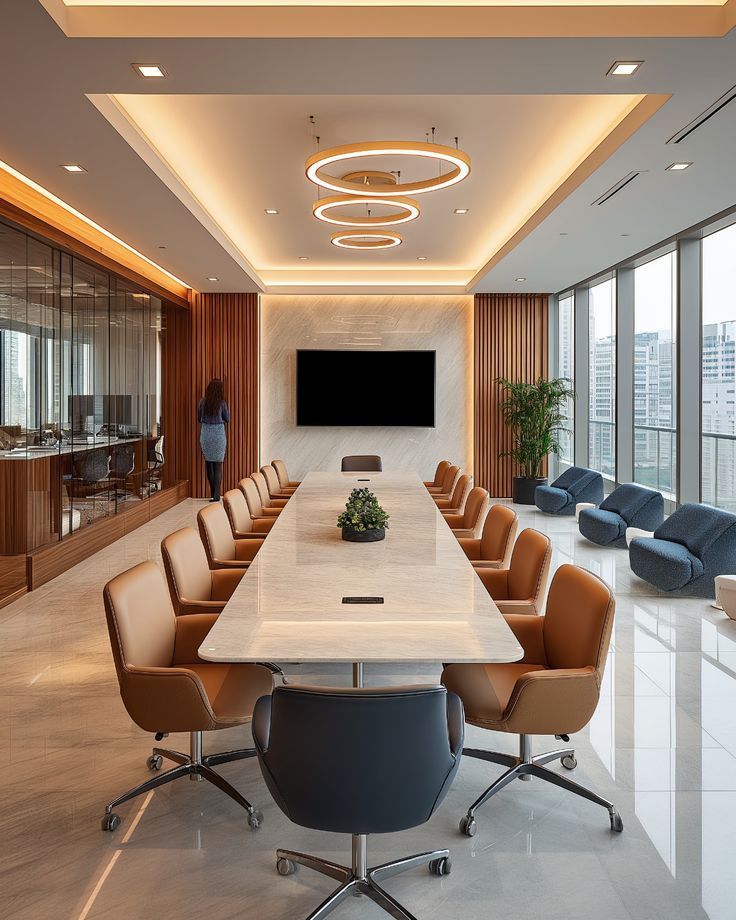
At BVM, we are fully aware of the critical needs that must be addressed when designing a conference room or a boardroom. Designing these spaces requires a careful balance of functionality, comfort, aesthetics, and technology integration. These spaces play a pivotal role in fostering effective meetings, decision-making, and team collaboration. Here are the important factors we take into consideration when designing a conference or boardroom:
- Space Planning & Layout: We create adaptable layouts to suit various meeting formats—whether formal board meetings, collaborative brainstorming sessions, or large presentations.
- Ergonomics & Comfort: At BVM, we prioritize ergonomic chairs with proper back support to ensure that all attendees remain comfortable throughout long meetings.
- Aesthetic Design: We ensure that the room reflects the right brand identity through appropriate color palettes, textures, and materials.
- Lighting: It plays an important role in maintaining focus during long presentations and discussions. A mix of natural and smart lighting is planned to ensure visual comfort and reduce eye strain.
- Technology Integration: We integrate high-quality audio-visual systems such as projectors, screens, microphones, and video conferencing setups. With multiple power outlets, data ports, and wireless connections, participants can easily connect their devices. We ensure the conference room is equipped with high-definition cameras and sound systems for seamless hybrid meetings.
- Acoustics: Using soundproofing materials, we reduce external noise distractions, creating a focused and professional environment.
- Storage & Organization: We plan for discreet storage solutions for meeting materials, documents, and office supplies. Built-in cabinets or credenzas help keep the room clutter-free, while cable management systems ensure a clean and organized look.
- Sustainability: We prioritize sustainable materials such as recycled wood, low-VOC paints, and energy-efficient lighting. Our designs aim to reduce environmental impact and improve energy efficiency.
- Privacy & Confidentiality: For sensitive meetings, we incorporate soundproofing measures and ensure a high level of privacy with minimal external disturbance.
Designing Chill Zones
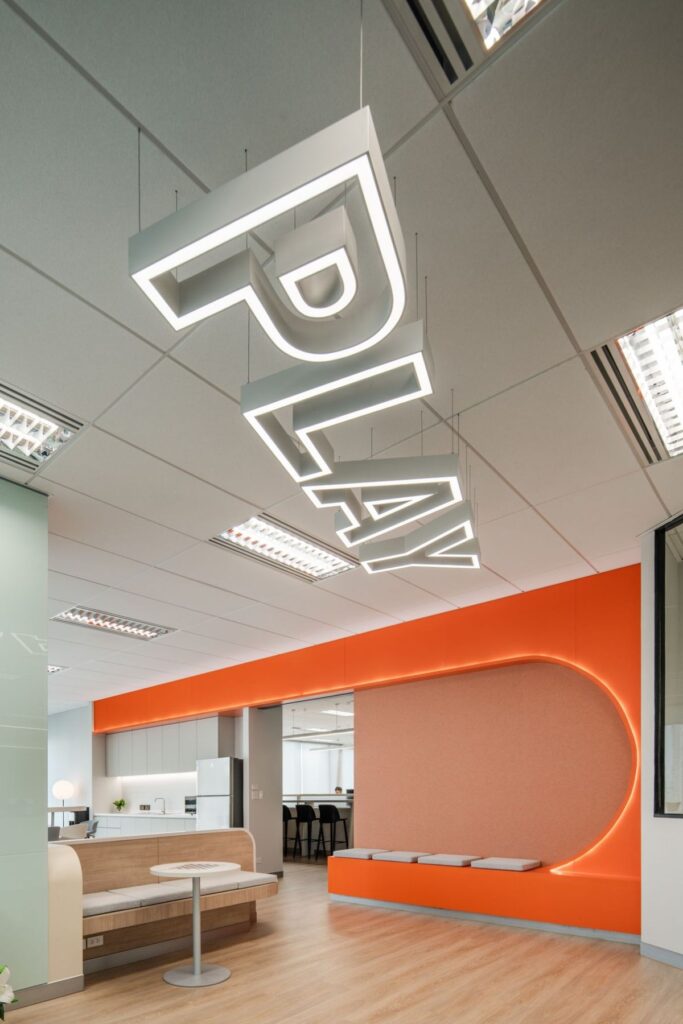
Modern companies, especially those with offshore development centers (ODCs) or multinational corporations (MNCs), are increasingly incorporating recreation areas, commonly referred to as “chill zones,” to foster a more engaging and productive work environment. These spaces are strategically designed to allow employees to take a break from their regular desk-bound tasks and refresh both mentally and physically.
Here’s why these chill zones have become essential:- Work-Life Balance and Stress Relief: In today’s high-pressure work environments, employees often face stress and burnout. Chill zones provide an escape where they can unwind, play games, listen to music, or simply relax. This reduces stress levels and boosts overall mental well-being.
- Team Collaboration and Creativity: These spaces encourage spontaneous interaction among employees. Casual, non-work-related conversations often lead to creative ideas and innovative solutions. By breaking the formality of the office, employees can discuss work in a relaxed environment, which fosters better team collaboration.
- Productivity Boost: Though it might seem counterintuitive, giving employees a space to recharge actually increases productivity. A well-timed break can prevent burnout and allow employees to return to their tasks with renewed energy and focus, thus improving overall work output.
- Attracting and Retaining Talent: In the highly competitive job market, companies that provide such employee-friendly spaces stand out. Chill zones can be a key factor in attracting top talent, especially among younger professionals who value a flexible and supportive work culture. It also helps in retaining employees by making them feel valued.
- Bridging the Gap Between Remote and In-Office Work: As hybrid work models become more popular, having such recreational spaces in the office encourages employees to come back and spend time in the office. It creates an environment that feels less rigid and more inviting, fostering a sense of belonging and connection with the company.
- Corporate Image and Client Perception: For MNCs and ODCs, showcasing these spaces can be part of their branding strategy, highlighting how they prioritize their employees’ health, happiness, and well-being. When clients visit, these chill zones often leave a positive impression, reinforcing the company’s commitment to a healthy and productive work culture.
By incorporating these spaces, companies not only improve employee satisfaction but also set a high standard in workplace culture. It’s a win-win situation for both employers and employees, as it leads to a more balanced, creative, and productive work environment.
Designing Canteen and Pantry Areas
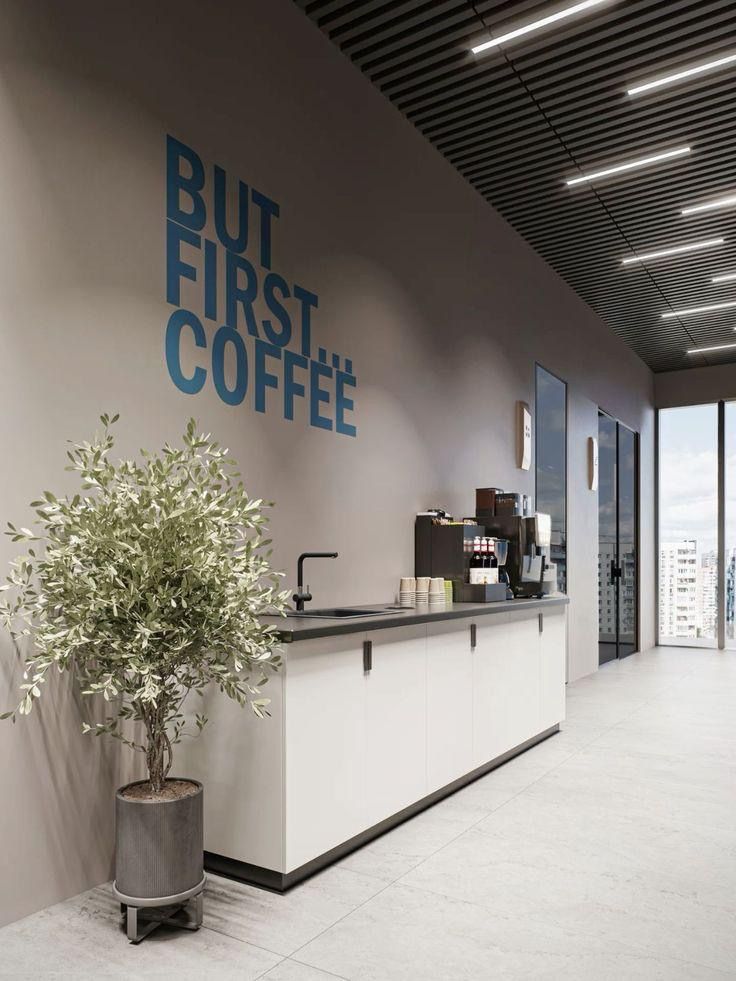
At BVM, our design team focuses on creating thoughtfully crafted canteen and pantry areas that go beyond just functionality. We ensure that the space is tailored to meet the needs of employees, offering a seamless blend of comfort, ergonomics, and aesthetics. Here’s how we approach this:
- Space Planning & Layout: We carefully plan the layout to ensure the designated area accommodates eating, taking coffee breaks, and informal socializing. Our goal is to provide a space that promotes smooth flow, comfort, and interaction.
- Ergonomics & Comfort: At BVM, we select furniture that supports ergonomic comfort, ensuring seating arrangements and counters are optimized for employee well-being. Comfortable, durable chairs and tables at the right height are just the start; we also focus on creating spaces that allow for different seating preferences and group sizes.
- Aesthetic Design: We balance aesthetics with functionality, considering color schemes, branding elements, textures, and materials that align with the company culture and enhance the overall atmosphere. The right combination of colors and materials not only creates a visually appealing space but also fosters a relaxing and energizing environment.
- Acoustics: We pay special attention to noise control, ensuring that the design incorporates materials and features that help manage sound.